
Table of Contents
Introduction
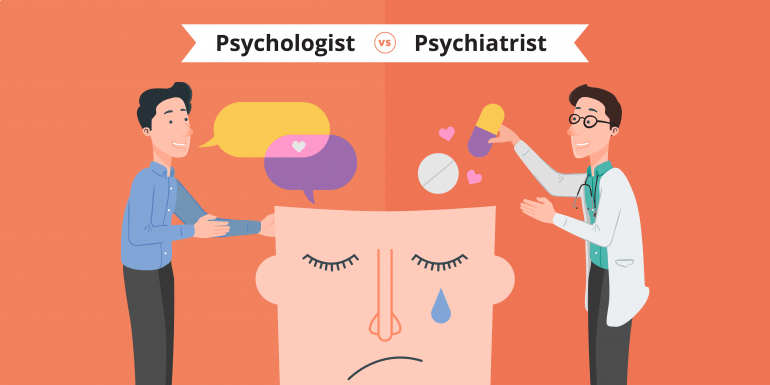
The world of mental health is filled with professionals who use different approaches to care. Two experts often confused with one another are the clinical psychologist and the psychiatrist. While both play crucial roles in mental health treatment, understanding their differences in expertise, therapeutic methods, and the types of issues they address can help you make an informed decision about which professional is right for you.
This comprehensive guide explains the key distinctions between the two in clear, simple terms helping you navigate your path to better mental health with confidence.
What Exactly Does a Clinical Psychologist Do?
Clinical psychologists specialize in psychological assessment, diagnosis, and therapeutic interventions. They typically hold a doctoral degree in psychology, involving five to seven years of graduate-level training focused on human behavior, emotional processes, and therapeutic techniques.
Their primary tools include:
- Psychological testing and assessments
- Various therapeutic approaches (e.g., cognitive-behavioral therapy, psychodynamic therapy)
- Behavioral interventions
- Counseling and talk therapy
Clinical psychologists are experts in treating conditions such as anxiety disorders, depression, trauma, relationship difficulties, and behavioral problems using evidence-based psychological methods. Their approach is often holistic, focusing on thoughts, emotions, behaviors, and life circumstances, rather than solely on biological factors.
Understanding the Role of Psychiatrists
Psychiatrists are medical doctors who specialize in mental health. After completing medical school, they undergo at least four years of specialized psychiatric training. This medical background gives them a unique perspective on mental health conditions.
Key aspects of their work include:
- Diagnosing mental health disorders through medical and psychological evaluations
- Prescribing and managing medications
- Conducting shorter therapy sessions (though less frequently than psychologists)
- Ordering and interpreting medical tests related to mental health
- Managing complex cases involving both physical and psychological aspects
Psychiatrists typically focus on conditions with significant biological components, such as schizophrenia, bipolar disorder, major depression, and other disorders that often respond well to medication.
7 Key Differences Between a Clinical Psychologist and a Psychiatrist
1.Educational Background and Training
Psychiatrists: Complete medical school followed by a psychiatry residency, with training emphasizing the biological aspects of mental health.
Clinical Psychologists: Hold a doctoral degree in psychology with extensive training in psychological theories, research methods, and therapeutic techniques.
2.Prescribing Authority
Psychiatrists: Can prescribe medication and monitor its effects.
Clinical Psychologists: Generally cannot prescribe medication (with limited exceptions in certain countries or regions with additional training).
3.Treatment Approaches
Psychiatrists: Often focus on medication management, with shorter follow-up appointments (15–30 minutes) after the initial assessment.
Clinical Psychologists: Specialize in a range of therapeutic approaches, offering longer sessions (45–60 minutes) focused on psychological interventions.
4.Insurance Coverage and Cost
Psychiatrists: Typically have higher fees due to their medical training, but may have better insurance coverage under certain plans.
Clinical Psychologists: Usually charge less than psychiatrists, with insurance coverage varying by plan.
5.Areas of Specialization
Psychiatrists: Often specialize in conditions with clear biological components or those requiring medication management.
Clinical Psychologists: Frequently specialize in specific therapeutic approaches or populations (children, couples, trauma survivors, etc.).
6.Approach to Treatment Planning
Psychiatrists: Tend to follow a medical model, focusing on symptom reduction through medication.
Clinical Psychologists: Often use a biopsychosocial model, considering multiple factors influencing mental health.
7.Frequency of Appointments
Psychiatrists: After the initial evaluation, follow-ups are usually scheduled monthly or quarterly for medication management.
Clinical Psychologists: Typically see clients weekly or biweekly for ongoing therapy.
Which Mental Health Professional Is Right for You?
Choosing between a clinical psychologist and a psychiatrist depends on your specific needs, preferences, and circumstances. Consider consulting with a clinical psychologist if:
- You prefer talk therapy over medication
- Your concerns involve life changes, relationship issues, or coping skills
- You want to work on changing behavior patterns or thinking styles
- You’re seeking long-term personal growth and insight
A psychiatrist may be more suitable if:
- You experience severe symptoms that significantly disrupt daily functioning
- You have a condition that often responds well to medication (e.g., bipolar disorder, schizophrenia, severe depression)
- You need medication management alongside therapy
- You have complex symptoms with possible physical health components
Collaborative Care: The Best of Both Worlds
Many people benefit from a collaborative approach where a psychiatrist manages medications while a clinical psychologist provides therapy. This integrated model offers comprehensive treatment addressing both the biological and psychological aspects of mental health conditions.
Benefits of collaborative care include:
- More complete treatment coverage
- Specialists focusing on their areas of expertise
- Better care coordination
- Improved outcomes for complex conditions
Frequently Asked Questions:
Can a clinical psychologist diagnose mental health disorders?
Yes. Clinical psychologists are trained to assess and diagnose mental health conditions using standardized criteria such as the DSM-5. They employ comprehensive psychological evaluations and clinical interviews to ensure accurate diagnoses.
Do I need a referral to see a psychiatrist or psychologist?
It depends on your insurance plan. Some require a referral from a primary care physician, while others allow direct access. Check with your insurance provider for specific requirements.
How long does treatment usually take?
Treatment length varies greatly depending on your condition, its severity, and your personal goals. Some short-term interventions may last only a few sessions, while more complex issues may require months or even years of therapy.
What should I expect at my first appointment?
Initial sessions with either professional generally involve gathering detailed information about your history, current symptoms, and treatment goals. Psychiatrists may focus more on medical history and symptoms, while psychologists may explore life circumstances and coping strategies in greater depth.
Conclusion
Both clinical psychologists and psychiatrists play vital roles in mental health care, offering complementary approaches to treatment. Understanding their differences helps you make informed decisions about your care. Many people find that working with both types of professionals creates a comprehensive treatment plan addressing both the biological and psychological aspects of mental health.
Remember, finding the right mental health professional can take time and it’s perfectly okay to meet with multiple providers before choosing the best fit for your needs. Your mental health journey is personal, and having the right professional support can make a significant difference in your progress toward recovery.